|
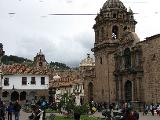
| Plaza Regocijo |
|
|
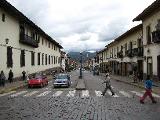
| Cusco street |
|
|
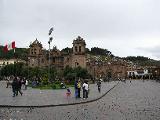
| Plaza de Armas |
|
|
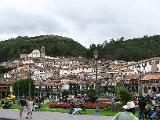
| Cusco city centre |
|
|
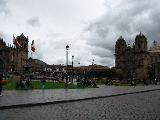
| Plaza de Armas |
|
|
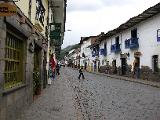
| Cusco street |
|
|
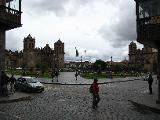
| Plaza de Armas |
|
|
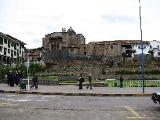
| Cusco Cathedral |
|
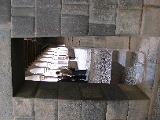
|
| Inca temple inside the cathedral |
|
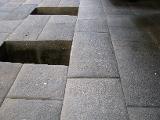
|
| Inca walls |
|
|
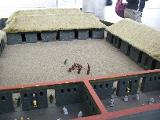
|
| Representation of the ancient Inca temple complex |
|
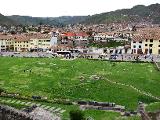
|
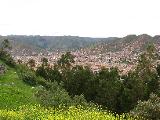
| View over the city from the cathedral |
|
|
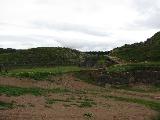
| View over the city from a hill |
|
|
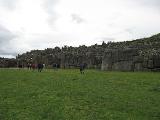
| Sacsayhuaman |
|
|
|
| Zigzag walls of Sacsayhuaman |
|
|
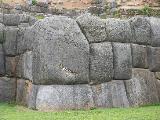
| Corner stones are always the biggest, and can weight 120 tons |
|
|
|
|
|
|
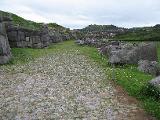
| Sacsayhuaman is built on 3 levels, with walls getting smaller as you go up |
|
|
|
|
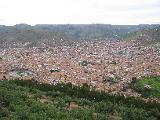
| View over Cusco from Sacsayhuaman |
|
|
|
|
|
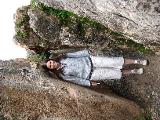
| Visiting Kenko (Qenq'o) |
|
|
|
|
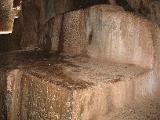
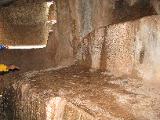
| Table for the mummy preparation |
|
|
| As this is underground, a sort of window was carved and covered with gold to mirror the light inside the chamber |
|
|
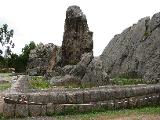
| This used to be a statue of the Condor god, but it got destroyed by the Spanish (to enforce Christiannity) |
|
|
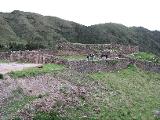
| Puca Pucara (Red Fortress). Military building were colored in red. This one was built at the junction of the important roads starting from Cusco, capital of the Inca empire |
|
|
|
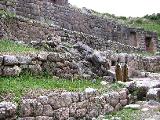
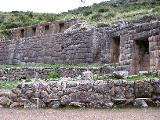
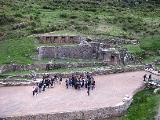
| Arriving at the Tampumachay (fontaine Inca) |
|
|
| In case ennemy would poison the waterr sources, Inca often built so that the source couldn't be found. This one remains undiscovered. |
|
|
| The 4 carved niches on top were to honor the 4 elements, while the 2 on the bottom right are to represent duality (male/female). |
|
|
| The fountain always keep the same flowing speed (debit?), even in case of drought or flood. Because of that, its water is believed to give eternal youth and fertility |
|
|
| This area also has a few caves used by Incas. |
|
|
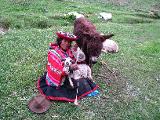
| A local (Quechua). |
|
|
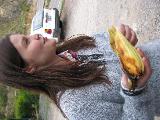
| Corn cake, in corn leaf. |
|
|
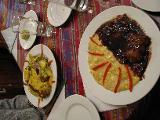
| Alpaca, in two different sauce (cheese and spice, or plum jam with semola and cheese). |
|


